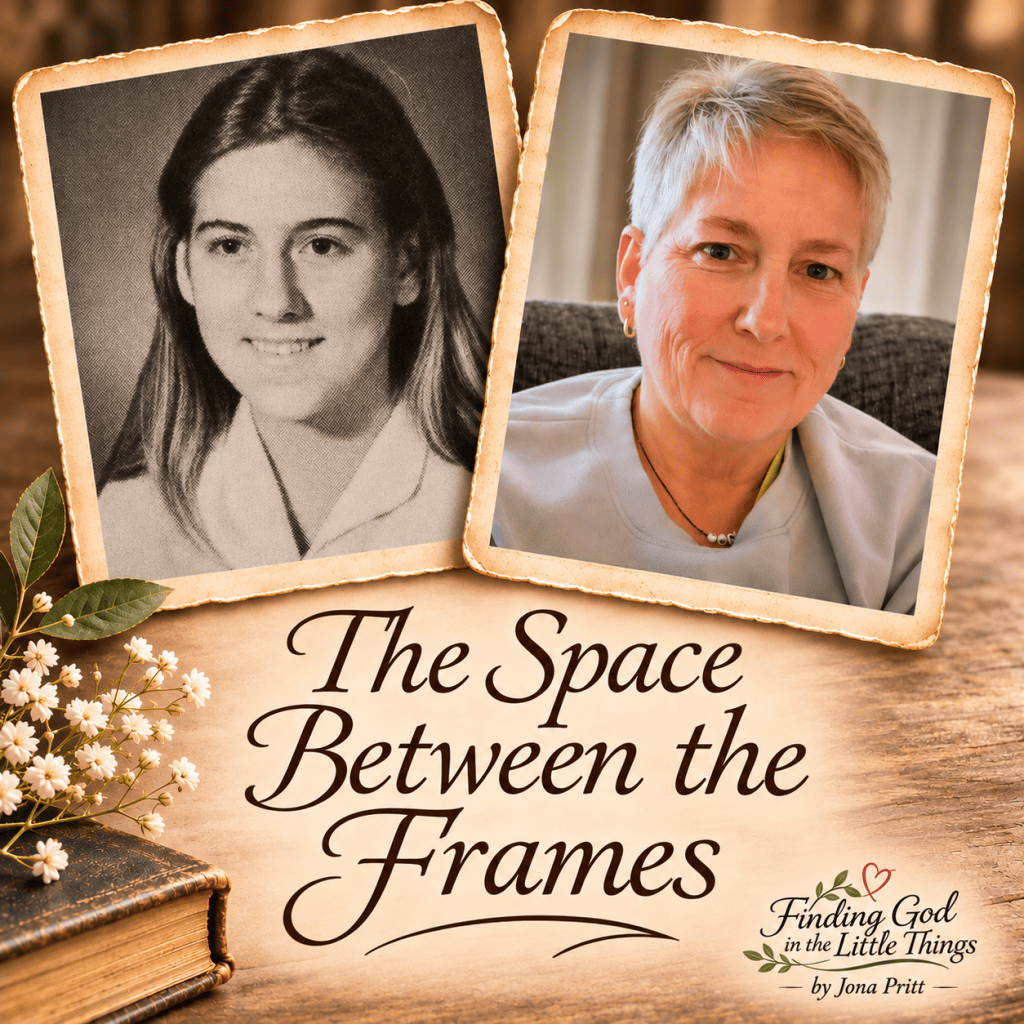
I watched a video the other day that paid tribute to people who had passed away this year. For each person, the screen showed two photographs: one from their youth, and another taken much later, not long before they died.
It only takes a second for an image like that to dissolve decades. You look at the smooth, unguarded face of someone in their twenties, and right beside it sits the face shaped by seventy or eighty years of living. In the sliver of space between those two frames sits an entire lifetime—all the mornings, the detours, the seasons that turned faster than anyone expected.
Watching it made me think about how differently our minds work across the span of those years.
In our youth, we move through the world with a quiet assumption of invincibility. We don’t spend much time wondering what life will feel like at sixty, seventy, or beyond. Why would we? When you are young, tomorrow feels like an endless resource. Your horizon stops at the next plan, the next milestone, the next busy week. Time isn’t something you measure; it’s just the air you breathe, invisible and taken for granted.
Somewhere along the way, though, the lens shifts.
You live long enough to watch years stack into decades. You walk through seasons that remind you how fragile this life can be, and you begin to see that “later” arrives much sooner than your twenty-year-old self ever imagined. The carefree certainty of youth fades, not into bitterness, but into a clearer view of what actually endures.
These days, I find myself thinking about eternity far more than I ever did when I was young.
Back then, eternity felt like a distant, abstract idea—something far down a road I hadn’t needed to travel yet. Now, it sits much closer to the surface of my everyday thoughts. And the surprise of it is that thinking about eternity doesn’t frighten me or make me feel small. Instead, it grounds me. It brings an unspeakable peace that settles deep into my bones.
I’m not afraid of death. I know where I’m going, and that assurance changes the way I look at what lies ahead. But I would be less than honest if I said I never think about the people I would leave behind.
I think about my family. The people I love, the lives intertwined with mine, the ones I’ve spent years nurturing, encouraging, protecting, and praying over. There’s a certain vulnerability in realizing that one day I won’t be here to do all the things I’ve grown accustomed to doing.
I know they are in God’s hands. I know His care for them is greater than anything I could ever offer. And yet, there is still a part of me that wants to hold on, to make sure they’re okay, to have some measure of control over what happens when I’m no longer here.
Perhaps that’s one of the quieter lessons of growing older: learning to release what we’ve never truly been able to control.
Every person we love is a gift entrusted to us, not a life we were given ownership of. We can love them, pray for them, guide them, and walk alongside them, but we cannot hold their lives together forever. Eventually, we have to trust them to the same God who held them long before we ever did.
And the truth is, they have always been in better hands with Him than they could ever be in mine.
When the days are full, or when life carries weight I couldn’t have pictured in my twenties, that awareness acts like an anchor. It reminds me that the clock isn’t the whole story, and that the span between those two photographs isn’t the end of the frame.
Perhaps growing older isn’t simply about recognizing how much time has passed, but finally understanding how little of what matters was ever measured by time in the first place.
Youth gave me the freedom to run forward without looking too far ahead. Age has given me something quieter and steadier: the peace of knowing where I am anchored in Christ, and the stillness that comes from looking past time altogether.
I cannot hold tomorrow, and I cannot hold the people I love forever. But I know the One who holds both.
And that is enough.