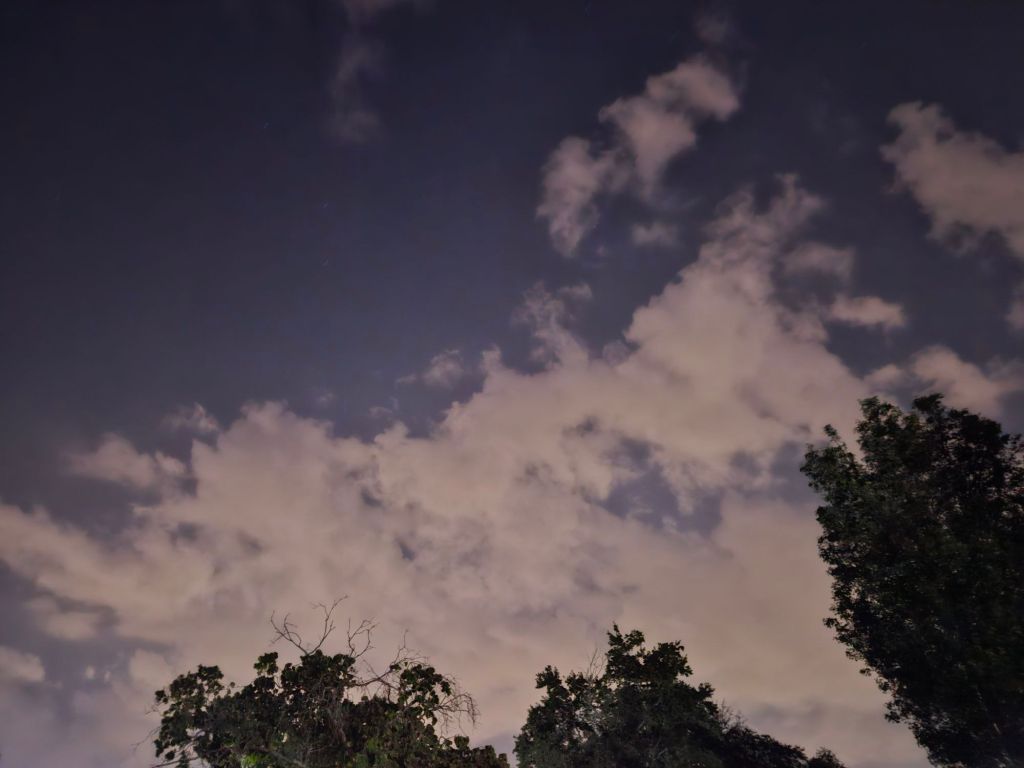
Exiting the car tonight, I stopped and looked up into the dark. The sky was heavy with clouds, yet they appeared soft—almost weightless—as the moonlight bounced off their fluffiness. Even in the dark, the light found a way to reach them.
I stood there looking up because I know so many people who are hurting right now.
I know what that darkness feels like. While I may not be in the deep waters of a storm at this exact moment, I have walked through enough relentless trials in my life to truly understand. I have stood in that exact spot, staring up at the dark, wrestling with those hard, exhausting questions:
Why me, Lord?
Why another trial before the last one has even fully healed?
Why does it feel like some of us carry a double portion of struggle while others seem to breeze through life unscathed?
Isn’t enough finally enough?
I remember the cumulative exhaustion of those seasons—the kind where you barely catch your breath before the next wave hits, and you wonder if you have anything left to give. It is so easy to look around in those moments and feel completely isolated in the deep end.
And I know how we respond to it. Most people carry their heaviest battles in the dark, well out of sight, offering only their highlight reels to the world.
How often do we walk through our days, smile softly, and offer a practiced “I’m fine” when our spirit is utterly spent? I know I’ve been guilty of it wholeheartedly.
When we are raised or taught early on to simply “suck it up”, we learn the delicate craft of building walls. We construct armor out of independence. For me, the wall is built of laughter—a quick joke, a light deflection, a shield to keep the tender places safe from view.
We guard ourselves because vulnerability is costly. It risks judgment. It invites unsolicited advice from people who have no idea what we are truly carrying. For even if two people cross the same bed of hot coals, the heat burns differently; the blisters are unique to the traveler. When you’re in the fire, you don’t need your pain compared, measured, or solved.
When those trials keep stacking, all a weary heart longs for is a quiet, non-judgmental space to rest.
Not a fixer.
Not a sermon.
Just a safe harbor.
A soul who will sit beside us in the ash, hold our trust as sacred, and silently lift us in prayer without broadcasting our pain to the world.
And standing under that night sky, remembering where I’ve been and looking at where others are now, the whisper returns to my heart:
Are we being that sanctuary for others?
Are we the gentle neighbor, the quiet keeper of secrets, the friend who holds space without needing to fix?
To “do unto others” is not just about kindness in the daylight; it is about becoming a safe place for someone else in the dark. Having walked through those valleys myself, it means choosing to lower my own walls so someone else feels safe enough to put down theirs—knowing we are all just trying to survive our own storms.
Yet if I’m honest, receiving that kind of grace is often so much harder than giving it. Giving lets us stay in control, shielded behind our strength. Receiving requires us to set down our armor, drop the wall of “I’m fine,” and let someone see us when we feel empty. It takes real courage to let ourselves be held, prayed over, and cared for when we are used to being the strong ones.
I have said it before, and I stand by it: God may not cause the hurt or the pain, but He doesn’t waste it either. There will be light throughout our trials, but we have to trust and open our eyes to see it. It is no easy task this side of heaven—sometimes it seems so much easier to dwell on the negatives than to see His gentle hand reaching to shine Light into the dark.
We don’t have to have all the answers, but we can hold each other’s stories gently, pointing one another back to that unseen Light that softens even the heaviest night.
May we be the kind of friends who offer that shelter. And when our time comes again, may we give ourselves permission to receive it, too.

